Mama Earth Farming
Updates on Farm Activities
February 15, 2026
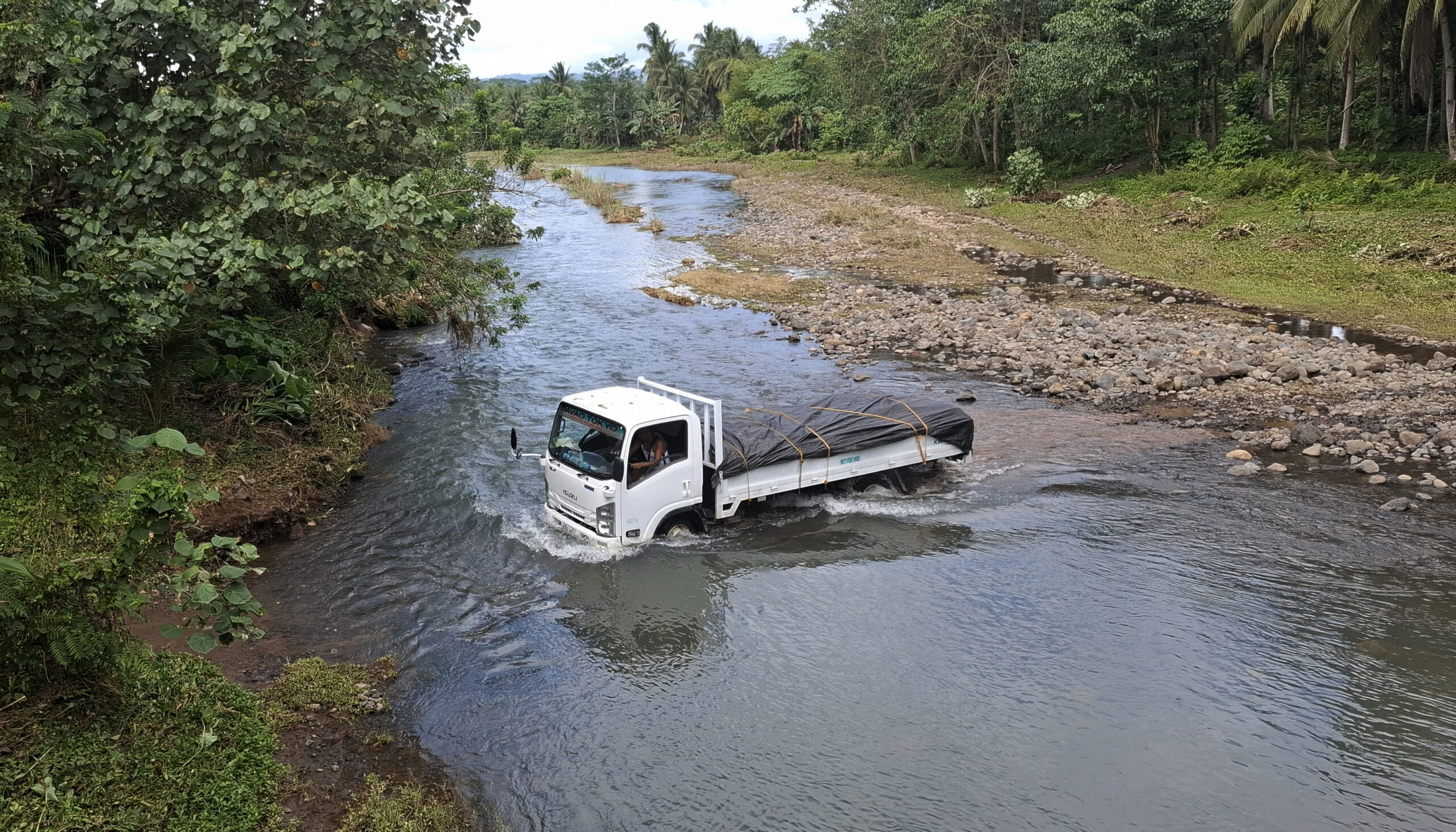
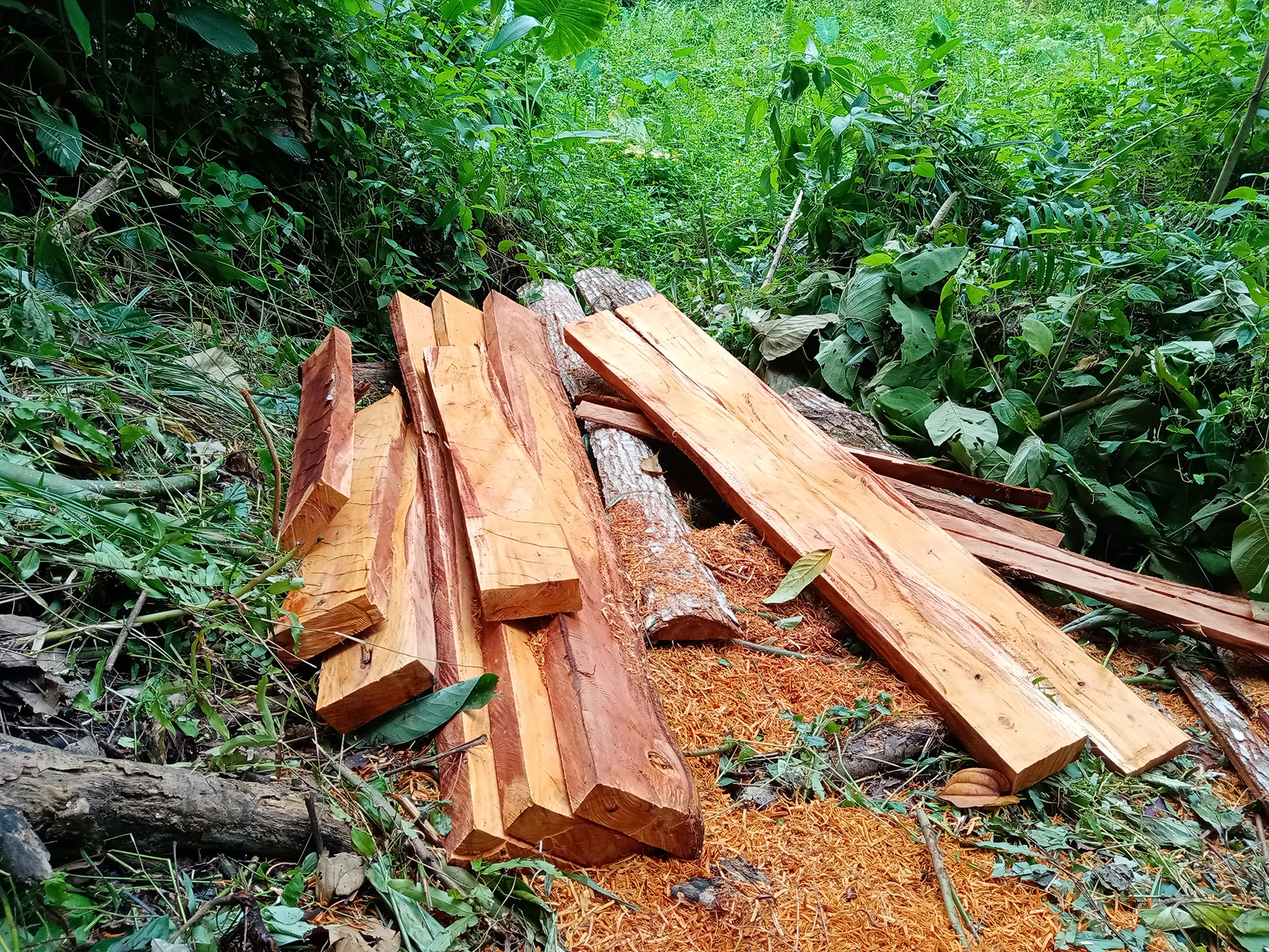
Our saw, essential for commencing timber harvesting, has finally received its approval. We will soon begin sawing the first felled trees, still within February 2026. The timber then needs to dry for at least three months before it can be brought to market. There are always small surprises. For instance, last week we couldn’t cross the river for several days because heavy rainfall caused the water level to rise so high that it was too risky to pass. We are still working on the Excel spreadsheets. But the system is in place: every harvested tree triggers two actions: 1. The farmer immediately receives payment, and 2. the investor is credited with double their investment amount. This credit can be viewed and accessed at any time. Following this model, we harvest all planted trees and can then prepare a final settlement. Trees must have a minimum diameter of 32 centimeters to be market-ready.
Green Farm Partnerships
Help the farmers in Mindanao, Philippines, run their small farms more profitably. On unused ground, we plant Mahagoni, Teak, Kakao and Bamboo. The Farmers can use these profits to pay off their debts and you benefit from your participation.
This website only provides a general overview of our activities. You can ask us about all types of partnerships. Write us an email in German or English and we will reply quickly. (info@mama-earth-farming.eco)
Preparations for the farm partnerships began almost 15 years ago. Three years later, the first tree plantings were realized, and since early 2024, the first trees have been harvested, and the profits generated have been paid out. Although most mahogany trees have not yet reached the target diameter of 32 centimeters, harvesting continues steadily.
What does the program look like? The farmers who provide their unused land and care for the trees receive the lion’s share. Each tree has a number and can be unequivocally assigned.
Helping Farmers with Certainty
Mama Earth Farming does not speculate but calculates with realistic market prices. Due to the pandemic and the associated construction stops, timber prices have not risen for three years, which has also reduced our profit expectations. However, with our moderate entry price, you are on the safe side with us and not on the wrong track. With our timber programs, we bring work to the communities and not only secure the farmers’ land but also allow them to earn well from it. Theft of trees is impossible because all farmers live in close-knit village communities. Furthermore, typhoon damage to trees under 25 years old is virtually impossible, and forest fires cannot occur due to the many rainy days. And since we keep the harvested timber in the country, we reduce the pressure on the remaining forests, which still suffer from logging. More green and social commitment is hardly possible.
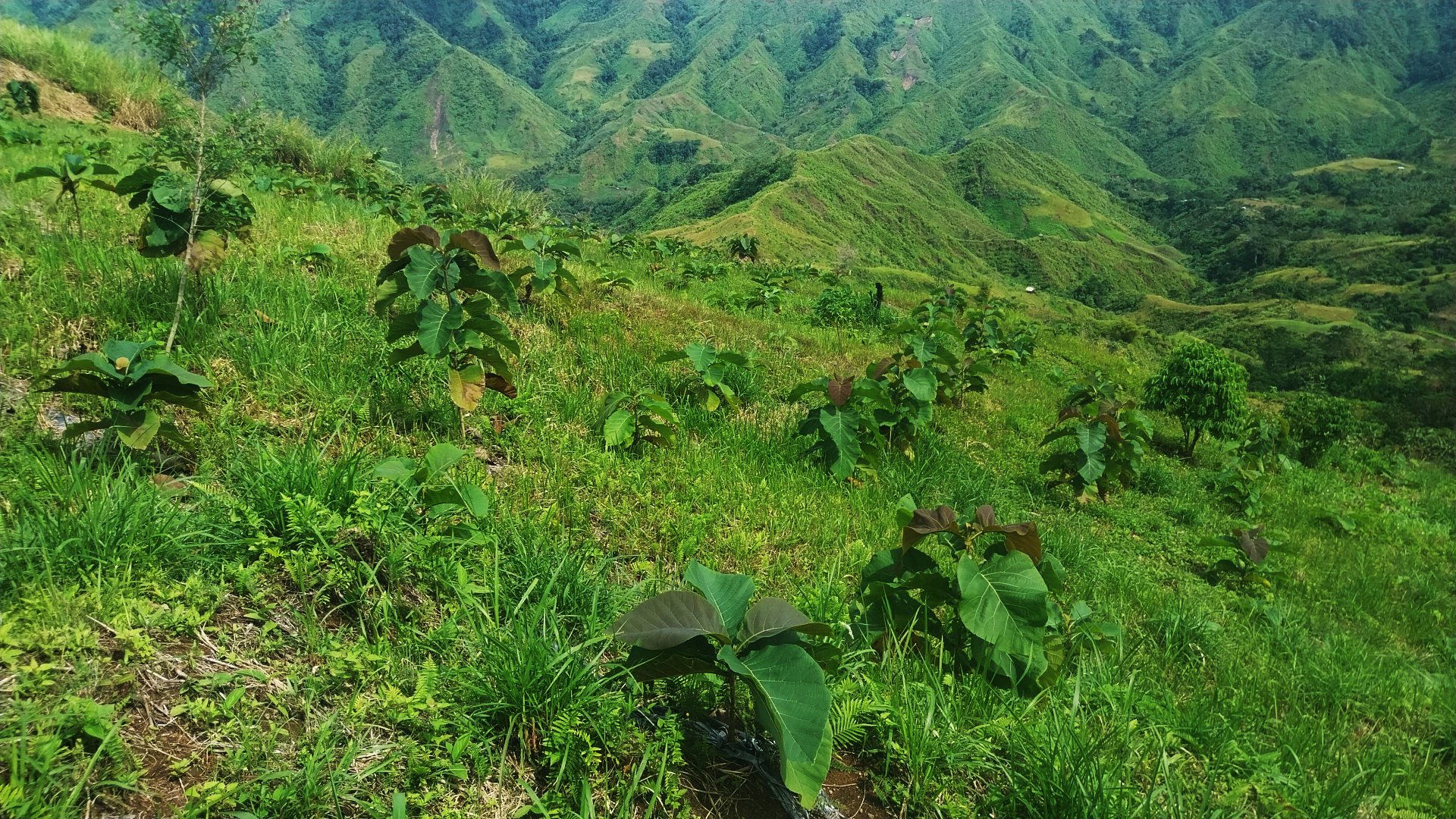
In July 2024, we decided to focus on Teak. A Teak farm investment in Patag, our planting area in the mountains of Marilog, is planned for at least 15 years. A long time, but very good for the environment, for securing jobs, a solid contribution to sustainable forestry and social aid, but also a good opportunity to reap green and good returns.
A teak seedling costs only 20 Euros. Should seedlings not grow, for whatever reason, they will be replanted at our expense. To achieve thick trunks, we plant the trees at a distance of 4 x 4 meters, meaning a maximum of 625 trees per hectare. All trees are cared for by our monitoring teams and supervised by our graduate foresters.
Teak Farming in Detail
Is a teak tree profitable as an investment, even if the investor only retains 36 percent of the timber yield? Absolutely. A teak tree over 15 years old (36 centimeters in diameter at breast height, 12 to 15 meters tall) has approximately 0.50 cubic meters of usable timber. The price for one cubic meter of plantation teak is at least 580 Euros, which corresponds to 1.37 Euros or 86 Pesos per board foot. Our example trunk therefore has a value of 290 Euros (50% of a cubic meter). We only calculate with 250 Euros to cushion currency fluctuations, etc. A share of 36% for the investor thus corresponds to 90 Euros, 125 Euros for the landowner, and 35 Euros for the Mama Earth Foundation.
We offer two options
You can purchase a single tree or a set of three through our shop. The coordinates in the photo of your tree or trees serve as your proof, as every tree has different coordinates – there are never two or more identical coordinates in the world.
Alternatively, you can acquire at least 150 teak trees at a price of 20 Euros per tree (3,000 Euros) and have them transferred to you via a notarized contract.
Cocoa Farming
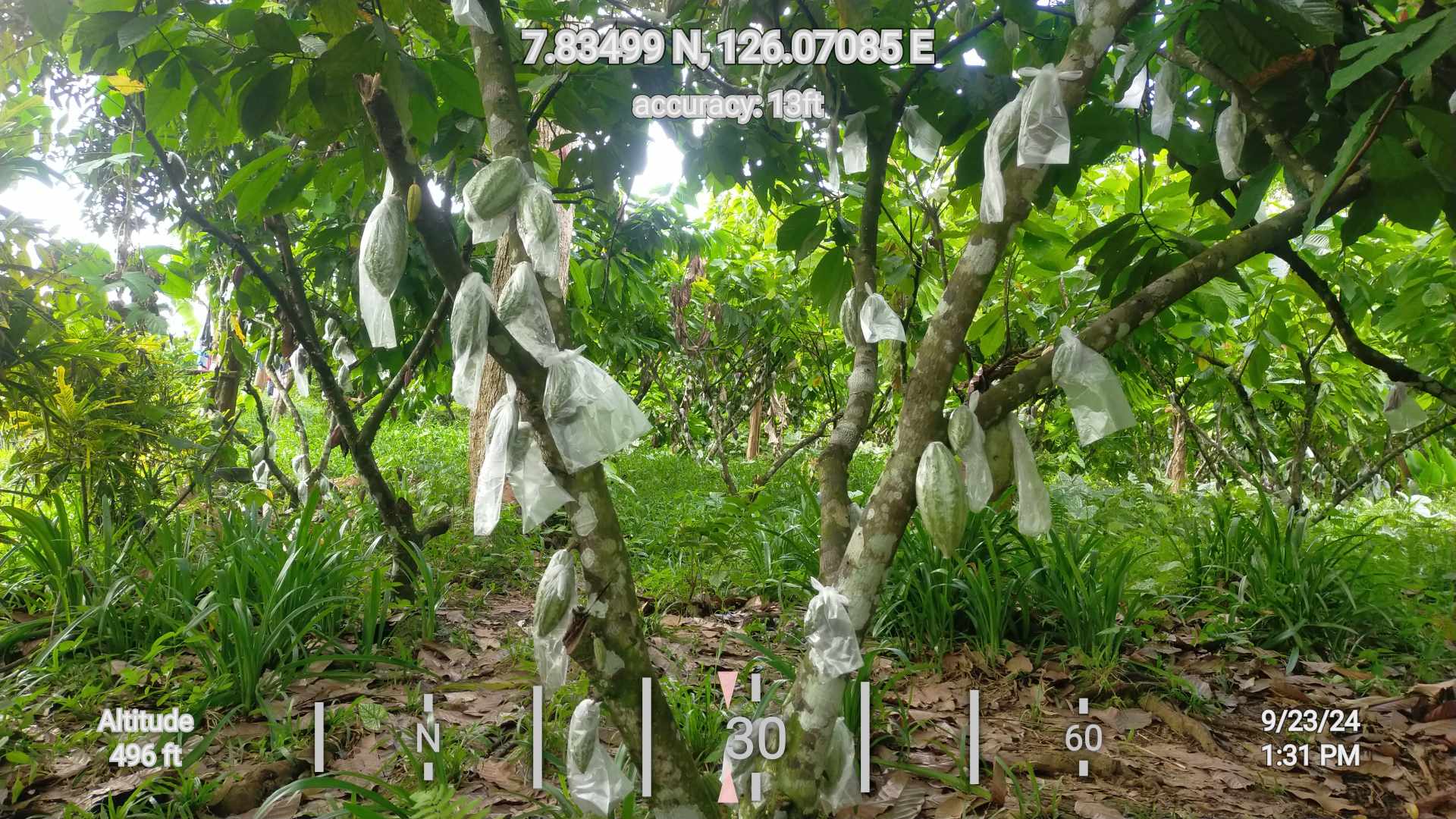
We cultivate five cocoa farms in Monkayo, Davao de Oro, Philippines. One even features the world’s most expensive beans, the Criollo beans. We regularly win awards for the best beans in Mindanao, but despite all this, we have incurred losses, yet always paid our investors. How is that possible? Our concept is called “beans to bar,” meaning from the farm to the chocolate. This worked until the pandemic, but many resellers did not survive the economic standstill and closed their shops. We lost a lot of money because the delivered goods were stuck, and the expiration date made them unsellable.
Things are slowly moving forward again. We have invested heavily in new packaging and are already represented at Davao Airport and about 20 other stores. To give you an idea: before the pandemic, we had well over 100 points of sale.
Therefore, we are currently not offering any cocoa farm investments. Only when it is ensured that profits can be realized again. So far, we have only been set up locally, but we are now also working on international marketing, because our products are excellent.
Bamboo
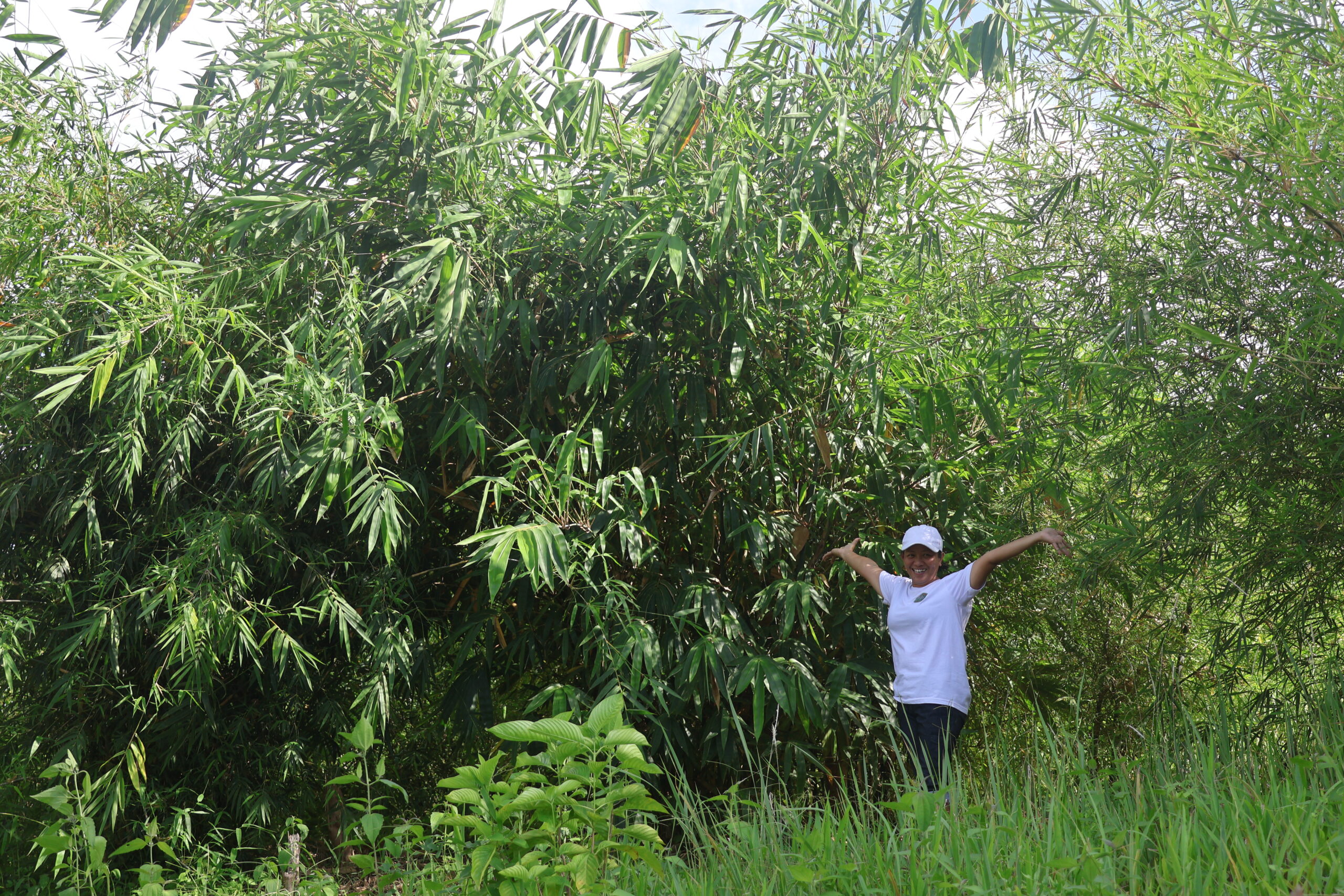
For almost three years, we have also been planting bamboo, but only two varieties across an area of 15 hectares. In parallel, we are training people to properly process bamboo to achieve long durability and create useful objects, thereby increasing added value. What is so special about this pilot project? The community of Monkayo has not only provided us with the cultivation area but also the workers for planting. The number of sets was limited. All shares have been allocated, but we are looking for new areas to launch the next project. Even if no areas are currently available, please take a look at our offer:
All seedlings are grown from seeds, which ensures a high survival rate. Those that do not grow, which from experience is under three percent, are replanted to optimize land use.

